The real systems, numbers, and mistakes, shared every Saturday. Over 700 already subscribed.
Proof of work strip
Freelance email craft, a SaaS I built alone, and the newsletter where I share the build.

Top Rated with a 100% Job Success Score and 100+ projects. HTML email and newsletter systems for brands, the skill that funded everything else.

An AI-assisted SaaS that turns newsletter issues into platform-native posts for X, LinkedIn, and Substack. Built alone in 22 days, without a team or funding.

A weekly newsletter on building a one-person business in public. Tools, systems, and the real version, with wins and lessons included. Over 700 already subscribed.

The next thing is being built. Stay subscribed to The Solo Stack for the first look.
My life went dull like a knife used often without being sharpened. Most people are living the dream. Yeah, what society promised you, but now it all looks like a dream you don't know how to wake up from. When you were a kid, you did what you wanted, when you wanted, and how you wanted it. Growing up changed something in you, you started taking life seriously. Most people's lives now are like this: You wake up, try to leave the bed, put that little box to your face, watching the lives of others while you feel that someday that would be you as well, then you go to work, come back home tired, and sit in front of that big box while you sleep off on the couch. The day you expect to come might never come. Until you start doing things the way you want, when you want again. Some time ago, I do not know what happened, but I noticed I did not feel alive doing anything, so I went to the living room, lay down on the couch, looking up, thinking, "It's been 5+ years of working hard to change my life to be a better me, which I am proud I did, then a question popped into my head: "Did I have any fun?" No, I didn't. I was waiting for when I made enough, but what is enough? Lying down on the couch might have changed the rest of my life. I realized I have been living in a box I call a house, with something I seriously do call work. Reason you're working. There is something that made you start being serious with your life: you were tired of where you are, or working hard so your children won't have to worry, and so you would be more available for your family. But when things started getting better, you forgot those reasons and needed more. Being too serious with life, you jump from one project to another, you set another big target that you want to achieve, to you, making more money is everything that life can offer. Most people set more projects, more targets, more skills, more clients, more emails, or more goals, but forget about more living. The trap of believing: “I’ll enjoy myself when I get there.” Deep down, you know that isn't true, you know if you do not start now, you are losing more days, months, or years that you could have spent without regrets. You think anything apart from making money now is irresponsible, some say money is everything, and money is life! But I have seen people with little who are happy and enjoying life, and I have seen people with lots of money who are not so happy. This famous question appears in the Bible: For what will it profit a man if he gains the whole world, and loses his own soul? Money is important, having a good career is great, no doubt about that, but if that is 99% of your life, something needs to change and fast. I know a guy, a friend of my friend, who was always working, from one project to another, all his life is just working. He is always busy, no girlfriend, no other friends, only his mom. He decided to leave home and work to change his life and his mom's too. He doesn't spend time with his mom or call her because he believes that when he is successful, he will have enough time for her. For 3 years, he worked hard, sending money home to her, a few months ago, he lost his mom. I know that story was a bit sad, but it made him realize that money is great, but enjoying life as you go is even better. When I realized this as well, I noticed I wasn't really having fun and stopped enjoying the work the way I wanted to. So I started making some changes to the way I work and started having more breaks. I used to draw, I'm really good at it, and I'm back to doing that on some weekends again. Now I sometimes go outdoors with my laptop to work, I thought this would reduce my focus, but instead I am happier to work. Martin Short and the Nine Courses When Short was 27 years old, he experienced a several month period without work. This was the first time he went through that kind of uncertainty after starting his career as a comedian and an actor. For an actor, not working might be a bit frightening. He started thinking, maybe people have lost interest, maybe opportunities have dried up, maybe this is the end of his career. He described his situation as if he had been found, worrying he might no longer get another job. He wasn't enjoying any of those months, instead of spending the time having fun, he kept worrying if he would ever be able to work again. Through that same worrying mind of his, by the end of the year, he had a realization that he had made more money than he had ever made before. After those months without work, new opportunities arrived. Looking back at those months, he felt pain, instead of enjoying life, he realized that he had spent those months worrying about a career that would later turn out fine. He wishes he could get those months back, but he couldn't, and he never wanted it to happen again. He asked himself a question: What if your career was just one of nine courses you took at university? Now you think about that for a moment. When you're in university, you didn't judge your entire academic performance based on one single subject. You take several courses, and your overall performance shows how you do across them. Short applied this concept to life. Instead of letting his career determine how well he is doing as a person, he divided his life into nine categories. He treated them like a subject on a report card. 1. Self: Your health, physical well being, and how you take care of yourself. 2. Partner and children: The attention and care you give to your closest family relationships. 3. Original family: Your parents, siblings, and the family you grew up with. 4. Friends: The friendships you maintain and the time you spend with people you care about. 5. Finances: Your financial situation and how you manage money. 6. Career: Your work, professional development, and accomplishments. 7. Creativity: Your creative expression and the ideas or interests you explore. 8. Discipline: Your habits, consistency, and ability to follow through on commitments. 9. Lifestyle: How you live outside your obligations. Short's memorable question for this category was: "Are you having any fun?" From the outside, everything looks great. Your business is growing, you're learning a new skill, earning more money, and building something you care about. But perhaps you've stopped seeing your friends. You rarely spend time with your family. You don't exercise as consistently as you used to. You have no hobbies, and you can't remember the last time you did something purely because it was enjoyable. If you grade your life based on your career alone, you might give yourself an A, but if you looked at all nine categories, you might realize that several parts of your life need attention. Your Life Is Bigger Than Your Work Most people spend most of their time planning their work, how they will make more money, and start the new project step by step in detail, but they rarely plan their life. You work so hard, and later you realize you have nothing to show but money, then you start thinking about what they call work life balance, first I disagree with that word "work life balance", it should be "life balance work." Your life is the only thing that can truly balance your work. Most forget to plan the most important things in their life, instead, they plan goals and income: "How can I make more money, yes more money. I am sure if I make 10k a month, I would be happy", someone recently told me that. Because people have attributed money to happiness. If you plan a new project, also plan how you would enjoy your life: what if you work at the coffee shop with your friend on Friday, what if you make your favorite meal for dinner today after well focused work is done. Life is way beyond work, we need to acknowledge that more. You can be successful professionally, be the best in your career, while you ignore the rest of your life. Some say it is a sacrifice you make to succeed in life. Then you are not fully successful. If you pass only two of nine subjects, you can't be promoted to the next class. I always wanted to travel out of my country, but I always postpone it, thinking I am not there yet. I spoke to someone who makes half of my income and has traveled more than I have; how did he do it? He said, "I plan my life, and work along my plan". He didn't wait to make a certain amount of money before he could travel. He started by travelling to other states in the country, then he started going out of the country. You shouldn't postpone fun until everything is sorted, you should have fun along the way. Most people think enjoyment is what you do after you are done working, you can also enjoy while working. Fun Work Fun is the act of enjoying one's time. Most people think that to have fun, you need to stop working and go somewhere. Fun doesn't necessarily mean quitting, taking a vacation, or working less. Mark Twain: "Find a job you enjoy doing, and you will never have to work a day in your life." Reframing that to: "Plan a life you'd enjoy, and you will never have to work a day in your life." The question you should be asking is "How can I make the way I work more enjoyable?" Everyone's way of having fun is different, for some, it might be listening to music while working. Someone like that should invest in a good pair of headphones or a speaker to enjoy the work while listening to their choice of music. If you like playing games, you can track your work like a game system log, that way, your work is like a game you play every day, with different targets every day. For me, I built a system that tracks every work related thing I do daily, some I have to click manually, which gives me the satisfaction that I completed something. I get a 10 minute break to walk outside, and a 30 minute break after 4 sections are done, I use every break for whatever I feel is not related to my job. The system has a daily tracker and a weekly tracker with a progress bar that I want to reach every day. Don't try to work like others or based on things you have seen online, forget that for a moment. Think about your strengths and personality, and work in a way that fits them. Make sure your work fits your kind of living. If you like going out, please do, take your work along with you. Every break you have, pick something you can do, it might be talking to your loved ones, dancing (I do that sometimes, it's fun), or pick an activity that makes you forget about it for a while. Enjoy the craft. When writing a newsletter, write it with fun, write things that make you laugh, because it would be fun for the reader as well, and in a way you have passed your joy to someone else. When learning, have fun with it, laugh when the instructor says something funny. Enjoy the small wins. If you wake up early like you always wanted to, make yourself your best cup of coffee. Now your brain knows what to do to get that every morning. Make the most of the small wins, they always lead to the big wins. Make the most of the process and the people you meet along the way, life should always come first, then work comes along. The goal isn't to escape work, it's to stop making work something you constantly feel the need to escape from. Did I Have Any Fun? A few weeks ago, I was lying on my couch when I asked myself this question: "Did I have any fun?" What if today is my last day, would I say I enjoyed every bit of my life? Bit by bit, I started sinking into the couch, and my head was heavy because I couldn't answer that question. It is never too late to start adding fun into my work, the same thing goes for you. Some people take everything too seriously because they think that is the way it should be, I think otherwise. I can't tell you how to have fun while working or make each day enjoyable. You are the one who knows what enjoyable means to you. Yes, studies show that people who laugh more and have a strong sense of humor tend to live longer and have lower risks of chronic illness. That shows life rewards fun, so why won't you reward yourself with some? Fun means different things to different people, stop saying it is not yet time for you to do what makes you happy. You have worked for it, why shouldn't you enjoy it? So if things do not work out as fast as you thought, that means you wasted your best years avoiding life while preparing for it. If you looked back at the last few months, would you be able to say you had any fun? \ Owol. P.S. Before you close this email, plan one thing you'll enjoy this week, like working at the coffee shop with a friend on Friday or making your favorite meal after your focused work is done.
When I was young, I mostly heard the elders say a proverb: "A patient dog eats the fattest bone." It's been a while since I have heard anyone say that proverb, and there is a reason for that. In the world we live in, being patient doesn't always work anymore, because the economics of innovation have changed. In earlier times, you could let an idea sit for years while people found out it was useful. Today, the ability to quickly test whether an idea has a market can be your competitive advantage. An idea is nothing right now, there are ideas everywhere. Whatever you plan to build, someone has built a similar version, and someone is also planning to build your version at the same minute you think your idea is special. The distance between ideas and execution is getting smaller every day. Two months ago, I had an idea of something to build, I was thinking of building it when WritePat gained enough traction. A day later I read a newsletter from someone talking about how he has started building a similar version of the idea I had. To move faster than everyone in your space, you need speed. How fast can you take an idea and make it into a finished product, because if you don't, someone else will. We are in an age where one person can build a full working product MVP in 48 hours, and you still think being patient will get you what you want, while others are going all in. Post it Notes: When Patience Was Still an Option In 1968, 3M scientist Spencer Silver was trying to develop a stronger adhesive. Instead, he created something almost useless for the original purpose: an adhesive made from tiny acrylic microspheres that could stick to a surface but also peel away easily. Silver knew the product was unusual. The problem was that he couldn't figure out what it was for. Then he decided to show the adhesive to people around 3M who were looking for applications. 3M describes it as a solution looking for a problem. Then came Art Fry. Fry was a 3M scientist who sang in a church choir. He was frustrated because the paper bookmarks in his hymnal kept falling out. So he remembered Silver's adhesive. His thought was: What if the adhesive could hold the bookmark in place but let him remove it without damaging the page? Fry began to experiment with coating paper with Silver's adhesive. Eventually, the team realized they weren't just making a better bookmark. They had created an entirely new way to attach temporary notes to things. They became the Post it notes with single or multiple colors you see in most offices today. The timeline it took: 1968: Silver discovers the adhesive Years: searching for a useful application 1974: Fry develops the adhesive backed note concept 1977: 3M test markets it as Press 'n Peel in four cities 1980: Post it Notes launch nationally in the U.S. So you're looking at roughly 12 years from the original discovery to the national launch. And even the first test wasn't an instant success. In the old world, Silver could've discovered something and spent years asking, "What can this become?" There wasn't an expectation that he needed to validate the idea with thousands of users next week, the organization could afford to explore and give it time. Waiting isn't dead, and Post it actually proves that patience can be valuable, but for a long time, innovation could afford to be slow. Post it Note because the technology needed time to find its application. In today's world, the cost of finding out whether an idea works has collapsed. You can publish an idea today, put it in front of thousands of people, measure the response, change it tomorrow, launch a product, collect feedback, and iterate. So the question has gone from: "Who has the best idea?" to "Who can find out what works fastest?" How Zara Built a System That Learns Fast Zara is known to be one of the fastest from idea to production when it comes to their product, especially clothes. Although most people see them as the company that makes clothes quickly, that's true, but it's not the deeper lesson here. Zara built a system that can make their entire loop faster than usual. Their loop goes from: Customer information designer prototype production store customer, and then it repeats the same sequence. While others are fighting to understand what is going on with their product, they build a system that makes it easier for the customer to make the decision. The process goes from customer first to customer last. Inditex says its stores and online channels analyze customer demands daily, design teams review collections based on the information they collected, its supply chain uses short production runs, and logistics gets new products into stores twice a week. That right there is the real moat, and that is what people who understand it are using to go from idea to product within a few weeks. If big companies can adapt such a strategy, you can as well. A concrete example in one case documented by The Wall Street Journal and reported by Fast Company: Zara developed a coat from concept to store in less than a month, such speed is unlikely in most of the fashion industry. The sequence was roughly estimated as follows: 5 days Designer developed the design 13 days Manufacturers produced 8,000 coats 24 hours The finished product traveled from Spain to New York The crazy part is that the customers could buy the coat in less than a month from the initial development process. But here is what makes it strategically interesting: Zara wasn't simply hiring people to work faster, based on the system they've built, that changed the architecture of the business. Zara is one of the fashion brands that shortened the distance between the customer and the factory. Traditional fashion companies often had to predict what their customers would want months in advance, but Zara tried to move in the opposite direction — why wait when you can know what your customers want and give it to them sooner. Its store managers are the ones listening to the customers, watching what people are doing and asking for, and sending that info to the headquarters. They understand what the customer wants and use an integrated manufacturing and logistics system to deliver it quickly. That is a huge difference from most brands: Other brands: Predict manufacture distribute hope Zara: Observe make distribute observe again Zara builds a business that learns fast from its customers, not one that builds and hopes its customers need them. A Patient Dog Eats Nothing The world that gave Post it Notes room to take 12 years is not the world we're building in now. That world rewarded patience because there was no way to know faster. Now there is. I was told "a patient dog eats the fattest bone" multiple times by elderly people, but that is not right anymore. Now, "A patient dog eats nothing." When you order food and they start taking more than 30 minutes without it being delivered, you start losing your patience. People don't want patience anymore, they want speed. That is the era we are in now. The world we're building now rewards a different kind of company, not necessarily the company with the best initial idea. It's the company that can test, learn, and adapt faster. People want to help, so let them. If you are building something, instead of just going from idea to production, ask people what they want and why they think this is better. Start a waitlist to see how many people join. In the process of them joining, do a quick survey of what they would prefer. When you get the information you want, do not wait for the perfect time because there would never be any. The perfect time is now. WritePat was my first customer based app, it took 3 weeks for the first MVP. I had no solid experience before then, but I knew that I needed to move faster, and that is what I did. Speed isn't about doing everything quickly, it's about reducing the time between action and learning. \ Owol. P.S. If you're sitting on an idea right now, start the waitlist before you build the product. That one step will tell you more than months of planning ever could.
If you have been on the internet for the longest, you would have seen a lot of productivity tools and ways to keep at it every day. This has happened to most of us, if not all of us. When you decided that enough is enough, you want to better your life. So you started by cleaning your apartment, probably because you've watched Limitless. Then you started watching YouTube videos to figure out how to stay productive, focus, and be consistent, but after a few hours you decided to download new tools because you believed that was what was needed to be consistent. You looked for the best Notion template that would magically make you consistent. While we all know how that story ends, anyway, I will finish it for you. Now that you have the new tools/apps that you believe will keep you consistent. The first day was great, you woke up energized. The second day was close to the first day's energy, but on the 10th day, you couldn't remember the name of the app you downloaded. It has been 4 days since you opened the tool you believe will keep you accountable. The story didn't end there, you are really smart, you know that, and you truly want to achieve the goals, but you know you can't do it without being consistent. You tried again and repeated the same thing for months. You start over and over again from the same spot every time, deleting and downloading new Notion templates or apps. This was my story until I got tired of this endless cycle of repeating the same spot every time. No one told me it would take 5 years of doing the same thing over and over every single day, without missing any day. I thought consistency and being productive every day were all about planning today and using that plan every day. I thought I would have the same day one energy for the whole year. But that wasn't the case. One thing I realized recently: it's not how good you are, it's how consistent you are at doing the same boring work every day and becoming better along the way. And one thing you need to stay consistent is a system. There are lots of systems out there that you can use, but in this letter, I will tell you about one of my systems, which I started using a year ago. The Conventional Belief I have heard people say, if you want to be consistent, build a checklist and follow it every day, that is it. I get the message they are trying to send across, but for some reason it always ends up in you forgetting the checklist, not because it's not doing the job required of it, you stopped because you created a checklist, not a system. The difference between a checklist and a checklist system is that just a checklist keeps you consistent from day one to day ten, but a checklist system gets you going even on day 100. I have used checklists for the longest, but I am not a fan. I don't know why, but I always stop using them after a few days, none have ever seen day 10. The checklist I created recently is on day 17, which is a record for me. But this is not just another to do list that you just mindlessly type out; it's a checklist system. I keep saying the word checklist system, what does that mean? It simply means it's a checklist + a system. Just another checklist is normally a simple list of things you want to do, and you check them off every day, but it is not just another checklist; it's a checklist that has the system in it that helps me to document, systemize, and analyze the process every day. I can say I am really good at creating systems, but the issue I have is sticking to that system for a very long period of time. I couldn't tell what was missing until recently. I had the idea of the ultimate way to use a checklist to keep me going and systems to get it done properly daily. Example: I do a lot of things every day, work wise, mostly in my second work section of the day, the mostly scattered work. So one of the things I recently started doing is sending 15 DMs across my social, one of the second work section checklist as something like "Substack: DM 5 people (engaged/active/didn't convert)". Before I have a system for this, but I will stop using such sooner rather than later, but now when i get to this checklist (DM 5 people), i click on it and it open up the system, and I find 5 prospect, one after the other and fill the data in the system, like (Name, profile link, Hook used, etc). You will also find about 8 checklists inside the (DM 5 people). Consistency is not about how strong you are, it's how strong your system is. Nobody accounts for the day your energy is low, your sleep, or something blows the whole plan beyond your time limit. The Two Checklist Versions You can't have the same energy or perfect day every day, that is why you should always prepare for the fact that things you didn't plan for happen. This is why most people start breaking the routine: because you didn't plan for the slow days, and when you fail one day, it seems like nothing, but when it becomes 6 days in a month, that is 72 days in a year. So what happens on days I feel like shit? Those days, my first 4 hours deepwork section leaks into my second section, days where I get an emergency. So I planned for such days. The Full Checklist. This is the full daily checklist, it contains more than 20+ checklists on certain days and fewer on others, because this list varies depending on the days, mostly weekends and weekdays. This checklist mostly takes me 4+ hours every day. The Light Version. So I created a light version of the same checklist. On the days I know I can't complete the full version, the light version is what I use, this mostly takes less than 90 minutes. I know if I can get this done, I would be better than doing nothing. The Trap: All or Nothing Thinking. Most of the time, the real issue is not that you can't do anything; it's that you have the mindset that is either all or nothing, but that shouldn't be the case. You should have a simple list you can do on days you just don't want to do anything. Last week Monday, I was working on a client project, which I had to deliver 24 hours later. When I was done working on the client project that morning, I tested their email template to make sure that everything was fine on all email clients, then realized some issues, and my morning session was over. So, that day I decided to use the light checklist version, and that was the first time I did that. When I was done with the 90 minute light version, the rest of the time was spent fixing the issues with the client work so it's ready before delivery. Every day won't go smoothly; some days will be rougher than others, but if you are ready for whatever type of day you have, you wouldn't have to worry about consistency. You do not have to have a perfect day every day, you just need the checklist system that can handle any day without breaking. Two rules I follow with the checklist: I can only pick the light version once a week. If I start, I need to finish (unless there is a situation I can't control). I can only change the system after 100 days of use. The brain tries to take you back to the safe areas, looking for every possible way to take you out of this boring list. That is why I created these three rules to keep myself from stopping me from doing or using the list every day. Last on the List It is good to have a list, but it is always great to check up on your list daily and weekly. You get locked in when you see the progress you have made. That is why I end my daily list with (Review/plan the next day) and a weekly item that repeats every Sunday (Log in the weekly metrics). These two checklist items are what most people's checklists lack. I use Notion for this. The only thing the checklist needs every day is me checking each day and filling in data. I do not have to think about what's next, I just have to do it. I repeat the same thing daily and weekly, so that's the checklist. Success only comes to those who are willing to do the boring task consistently for as long as it takes. Most people with the kind of growth you want didn't take a five day break in a month, instead, they stick to that boring task daily. That's how they got where they are. Believe me, they are not special, the only special thing about them is that they got the job done while you skipped. You do not need the perfect checklist system, you just need one that will keep you going even in the hardest time. Reply with your own "light day" version of whatever system you run I'm collecting these. \ Owol. P.S. Your light version doesn't have to be pretty. It just has to exist before you need it, not on the day everything falls apart.
If you have been juggling 3 jobs at the same time and you have not been successful at it, you are not lazy, you just need a better system. One problem most people have now is the ability to focus on one task for a long period of time. A job well done only comes from the ability to focus on one thing. Most can't focus for 15 minutes before they grab their phone or open their email to see if they're missing something. I understand it is hard, I know, but it has never been easier to move faster as well. We all have the same 24 hours a day. Some just know how to use theirs better than others, doesn't mean they work harder than you, just that they manage their energy and time more than you do. Meet Owol Destiny, yeah that's me, a very not successful one person business owner, who juggles 3 jobs at the same time and has only one four hour block to decide which one wins for the day. But how do I know which job to focus on for that day? That is the issue I have had for months, and I end up not getting things done. I've seen people's scattered work, multitasking, they call it. It doesn't work. You end up spending 3x the time than you should and getting things done poorly, or you end up procrastinating. I heard this from someone, and I think it's true: "without rules humans are no different from animals." A few rules that I have been using to get things done and move faster than most people. I'll share most of them in this letter and also something new I started using to move the needle daily. One Day, Four Hours, One Work This rule I call one for one. I know my energy is through the roof in the morning, so I do not want to waste that. That is why I do not use those first four hours for anything that doesn't move the needle. This is my focus block. The first four hours are only used for my most important tasks, like writing this newsletter, shipping WritePat, and working for clients. These are the most important tasks I can do in a day and call it a productive day. Not knowing your priority is why you think checking your email or opening social media should be the first thing you do. This rule helps me stay focused on one thing per day. I've tried doing more than one top priority task in a day, it ends up pushed to the next day, or I lose focus because I want to work on both at once. Now, I only work on one top priority task a day. My work is categorized into three: Client Day Content Day App Day I only do them in that order. If I have lots of client work that will take about 12 hours, I do it for 3 days straight. My body will focus on just client work. When I am done with client work, the next thing I focus on is content work for the week. This might take 8 hours, I split it into 2 days, and then I focus on app work. Sometimes it takes a week for me to batch and focus on just one type of work. This has been one of the best things I have been doing, and it has been making me move faster than I can imagine. This newsletter is the 5th I have written for myself this week alone. I have been focused on newsletters for the past 3 days, I'm into the 9th hour right now, and I have 5 newsletters already. By day 5 I will have 9 newsletters, which will cover the whole month. WritePat will then repurpose that into my social media posts for the month, and that will take me less than 30 minutes to get slotted into the calendar on WritePat. Then I can spend the rest of the month focusing on the rest of the work. Most solopreneurs try to touch everything every day: a little client work, a little content work, a little product work, and end up not moving an inch. It feels like you are being productive, but you are not. It feels like that is how real work is done, and I do not blame you. I thought so for a long time: opening 10 tabs at once, quickly checking Twitter, maybe, just maybe my followers have increased, or that person I messaged sent a reply. Scattered work sometimes feels balanced. It feels responsible. What if someone messages you but you didn't reply early? The truth is that you can't get anything big done that way. You need to prioritize your work and pick just one thing in the morning and get that done. Never 50/50/50 Someone once commented on my content on LinkedIn saying, what about 50/50 across a day. That split never really works for me, because when I am working on task A, my mind is already thinking about task B, which will make the result of task A poor. The effect will be less if they are in the same category. You can't juggle two things and get perfect results. I want to be able to get at least one thing well done in the morning, that is why I pick one, and sometimes I pick the same one for the whole week, yes I do that sometimes. It is efficient and helps me have the next week for something else entirely. When you change focus, part of your brain is still working on the last task. That is why if I am coding, I want to spend the four hours on just coding. I have never seen a successful person who likes to do multiple tasks in the morning, they always pick one and focus on that. My tasks go in a very strict order of who wins first, every time, so I never have to relitigate the decision under pressure. A hierarchy of work always gives better results than trying to balance your work. How the Hierarchy Works Client Day: This one always wins the first block. I won't be able to write the newsletter if I can't feed myself, so money in the door funds everything else. I got this wrong in the beginning, I thought doing content should be number one, but I later realized that I work more effectively when I do not have to worry about paying my house rent or eating. So for now, client work always comes first. Sometimes this might take more than 4 days a week, while sometimes it takes just one day, four hours a week, which is fine. But I always get it done first in the week so I can focus on the rest of the work. The client work is not non negotiable: sometimes when I get a new client project, I put it to next week, but client work will be the first work I do that week, starting on Monday. Content Day: This is a mechanism that compounds. It's second on my list. I can only work on this when I am done with client work for the week. Before, I only batched my social content with the amazing random slotting in WritePat, but now I also batch create my newsletter. Whenever I have an idea, I just write it in the scratchpad on WritePat, and when I am ready to batch content, I pick the ideas I want to use, outline them, and start writing each newsletter. One newsletter takes me within 2–3 hours, so I write about 3+ newsletters in 2 days. On Sundays, I spend like 30 minutes repurposing my newsletter into 4 social posts across platforms at once on WritePat and schedule them all with one click of a button. App Day: I intentionally place it at the end of everything else. It's a temptation for me, when I start working on this, I find it hard to stop. Probably because it's mine, so I have the freedom to build it the way I want. I write code as much as I love writing this newsletter, if not more. App work is a trap I try to avoid until I am done with the rest, because when I start doing app work, I hardly want to do anything else. This is the easiest way to justify skipping client work, which is exactly why it's ranked last, so when I'm done with everything else, I can focus on this and this alone. When the System Almost Failed A system sometimes needs you to be disciplined enough to do the right thing. Three weeks ago, I should have been working on client work. I woke up excited for a feature I wanted to ship for WritePat, so when I opened Notion to pick the work of the day, the Client Day was the first tab. Then I realized I had to do client work for that 4 hour block, the log made me confront the order before I could talk myself out of it. It's just rules. As long as I follow the rules, I always have a product day. Rule one states that I can never do anything other than Client Day if there is any task on that tab, and I can't work on App Day if there are tasks on Content Day. Rule two states that whenever I have anything I should work on that is not in the plan of the day: if it's urgent, I add it to the right category for the week, not that day. If it's not urgent, I add it to the right category for the coming week(s). Rule three I do two four hour session blocks in the day: four hours deep work first thing in the morning and four hours shallow work in the afternoon. The rule states I shouldn't work more than four hours in the morning. There is always tomorrow. I fill weeks' tabs ahead of time. This way, I do not wake up thinking of what to do, because I always default to App work, so making the plan 2–3 weeks ahead helps me get things done instead of just planning. We all know what to do, that hasn't been a problem for most of you. The issue isn't the priorities we want to pursue, but rather the system that ranks them and the rules that hold people accountable. You do not need more systems. You only need a system that holds you accountable and keeps you going for months. Some people keep changing systems and apps, thinking that is what they lack, but they need a simple system that holds up even in the hard times. Before you go to bed today, write your own three item cascade in order somewhere you'll see it before you open your laptop. Not a to do list. A hierarchy of how you want to work everything every day, and attach similar rules to them. You will notice you will start getting done the things you said you will do, instead of doing the ones you didn't plan to do. Most people don't lack priorities. They lack the courage to rank them. Do not be most people. I read every reply, sometimes I reply to some. Reply with your own cascade, I'll read every one. P.S. Write your three item cascade tonight: Client, Content, App, or whatever your version looks like, and reply with it. I want to see how you rank yours.
When you finish something big, a project, a goal, a milestone, the usual move is to reward yourself with something sweet. A car, clothes, a vacation. Makes sense. But what if there are other rewards you can give yourself that are better than material things? I have never been a fan of rewarding myself. I just buy things I need or want because it's just a normal thing to do. I have people saying rewarding themselves has helped them enjoy their work better, but for some reason (which I might need a doctor to check if something is wrong with me, haha), I do not get the same magic result as others, so I changed the way I reward myself. As I said, I didn't stop rewarding myself, I only changed the way I do it, and it's working really well for me. Instead of rewarding myself with things, I reward myself with more work. A lot of people will drop out of the letter after that line. Like what, you reward yourself with more work? Who does that? Well, apparently I do, and I think I have discovered a way to work without feeling like working. This doesn't mean I don't buy myself things, I just don't program my brain to do more work and be happy because I bought a new PS5. Before we jump into it, I just want you to know that I am writing this letter in my kitchen, with a black coffee with honey, and it has been fun here so far. Haha. Work Feels Like Work Yes, I just have to tell you this straight. I love work, yes, BUT not all work. As you can see, that was a very big but. I like writing, I can write this newsletter all day without feeling like I'm working or bored, I love coding, I love designing, and just building things. When doing these things, I hardly get tired, I need to force myself to stop. That being said, I also hate doing certain work, like posting on social, engaging with content, having meetings with clients, and marketing my product. These things I had to drag my feet every single time to do, and I do them because I need to do them, if I want people to pay for those things I like building. Being a strategist, I find the second type of work I mentioned boring and repetitive. I know people who like doing such work, they can do it as long as they want without finding it boring. Before you can turn your work into a reward, such work should be worth the reward itself. So what work is worth rewarding yourself with, then something you like doing? Everyone has a certain work or project that will make them skip breakfast. Start noticing work that you want to spend more time doing and the ones you can't wait to end. This is what most people hate about a 9 to 5 job. Most times, it's not because of your boss's sense of fashion, it's because of the type of work or projects assigned to you. You are not given the luxury of picking your project yourself. That is why most people can't wait to get home to reward themselves with TV, scrolling, eating junk food, and drinking alcohol. Some people subconsciously believe they should reward themselves with good or bad things depending on how enjoyable their work is. I do something different. I reward myself with the enjoyable work after doing the ones I don't enjoy, or when I get to a milestone. There is nothing more enjoyable than having access to the work I love doing. When I was young, if my mom wanted to give me and my siblings drugs (yes, I mean medically prescribed drugs), she would come with sweets, candies. The rule was, take the drug, swallow it, and get a candy. Can you smell what I am cooking, remember I said I am writing this in my kitchen. What I am smelling right now is yam catfish pepper soup. I gave myself the time to write this newsletter in the kitchen today, but I have to cook something, I have not given myself the time to prepare for a very long time. This is how I use rewards to get work done in real time. In Practice: Writepat I love the process of building Writepat.com. I love it so well that I can do it all year nonstop, but there is an issue: without marketing the app (remember that thing I don't like doing, yes, it's called marketing), I might starve for the whole year, and we don't want that. I hope you agree with me on that one. After building and launching Writepat, all I wanted to do was add more updates, fixes, and features. But I know that won't end and that is not the most important thing to do, so I made a decision that if I get two paid users in the app, I will be allowed to build those wonderful updates in Writepat. I don't like sending people this message: "Hi John, my name is Owol, even though you can see that in my handle. I noticed you have a newsletter. I built an app called Writepat, which helps you ease the process of writing your newsletter and converting it into a social post, with an auto post feature. Here is the link to try it out. Thanks." I sent out 5 daily, Monday to Friday, for the past 4 weeks. Even though I do not like doing such a task, I did it anyway because I know my reward is more enjoyable. I will tell you this for a fact: I will rather work on Writepat than go for a vacation. That is how enjoyable building it is to me. As good as that sounds, I have to grow my social media and also do marketing, if I don't want to be the only one using my product. By the time you will be reading this tomorrow, Saturday, I will be working on the rollout for Writepat, which will be my best yet. Work Feels Like a Reward A few days ago, I rewarded myself with a better graphics card for my PC. I gave myself a specific milestone: when I get there, the reward will be a graphics card. That pushed me to reach that milestone, and by doing that, I now have a more first rate computer to work with. You can reward yourself with whatever you like. But what I want my brain to know is that doing better means it has the opportunity to do more enjoyable work. Which is all I want to do. Find something that makes you enjoy working more. It might be anything for you. This is what works for me. You can reply to the newsletter if this resonates with you. I read every reply and also replied to some. Food is ready, now let me go enjoy my pepper soup. \ Owol P.S. The reward waiting on the other side of the work you hate is the work you love, what's yours?
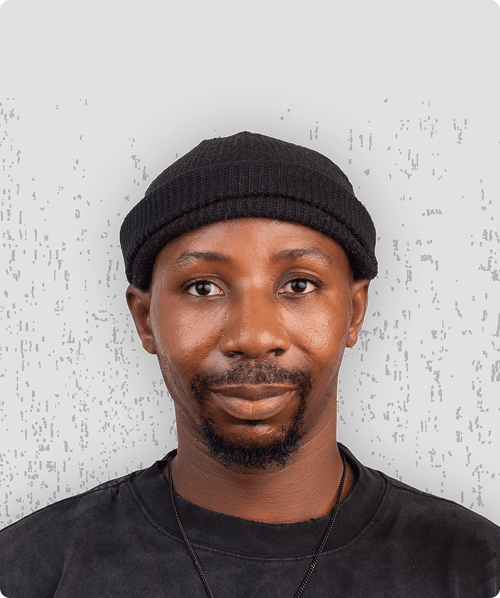
I spent years building email systems for other people as a Top Rated freelancer , until I realised I had none of my own. So I built Writepat , a SaaS, in 22 days. Now I'm building a one-person business in public, and every Saturday I share the tools, systems, and lessons so you can build yours faster. Read more
Sharing the honest journey from zero to something. Over 700 already subscribed.
One email every Saturday. No spam. Unsubscribe anytime.